Quality and Traceability
Ensuring Flawless Traceability

To guarantee impeccable quality and food safety for consumers, SAPMER implements rigorous traceability procedures from the moment fish are caught.
Southern fisheries
Southern fishing


Tracking data
To optimize the logistics of products from southern fisheries, SAPMER launched an RFID (Radio-Frequency Identification) initiative in 2022.
What does it do ?
RFID technology stores and retrieves information remotely wirelessly, , using electromagnetic waves to transfer data between a tag and an RFID reader.
How is it implemented ?
In partnership with CIPAM, the system has been deployed across our longliner fleet. Each vessel is equipped with an RFID printer for printing to generate electromagnetic labels, which are affixed to each carton.
Benefits of RFID technology
- Seams less traceability from catch to shipment and final delivery
- Optimized management
- Fast and easy scanning, with no need for precise alignment like barcode
Indian Ocean fishing
Fishing Indian Ocean


Monitoring data
The digital logbook
The logbook records every fishing operation, including time and duration and of each catch as well as the temperatures monitored throughout processing.
This comprehensive tracking system ensures complete quality control over yellowfin tuna and skipjack tuna. It also allows full transparency with authorities and stakeholders across the supply chain.
How is it implemented ?
Digitally recorded by the chief mechanic at each fishing operation. This file is then automatically transmitted daily to all monitoring personnel.
An important document for quality monitoring it can be shared with authorities to demonstrate compliance with food safety regulations.
Benefits of the digital logbook
- It centralizes all traceability data for each fishing operation, in a clear, precise and standardized way.
- It provides full traceability of the fish: from seine catch to storage in the hold, with references to environmental conditions.
- It provides recording quality details for each catch categorized by hold, tank and species.
Product labelling
Product labelling
For consumer transparency and food safety, each SAPMER product package includes :
Date of catch
Fishing location
Fishing gear used
Vessel name
Size grading
Approval number
Best before date
Batch number
Fresher than fresh

SAPMER products are caught in the northern Indian Ocean and the southern seas. On board, the fish are frozen at low temperature for southern fisheries, and ultra-low temperature for tropical tuna. These methods are the only way to preserve the quality of fresh fish as if it had just been pulled from the water.
Southern fisheries
Southern fishing
Low temperature freezing
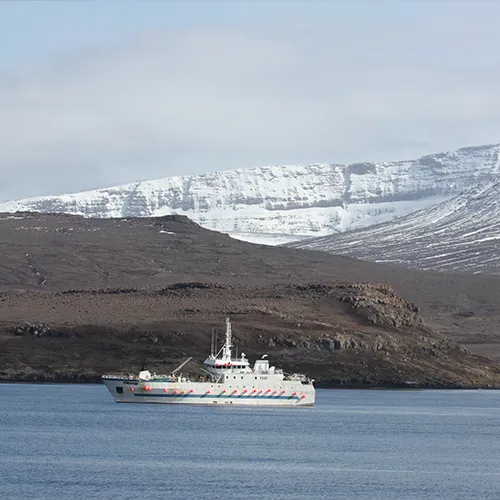
Long-distance fishing in the southern seas allows SAPMER to harvest the very best: wild, 100% natural patagonian toothfish and rock lobster from a pristine environment. Onboard SAPMER vessels, low-temperature freezing occurs immediately after capture. This freezing technique is the only way to preserve the exceptional freshness and texture of freshly caught fish.
Step 1
Once caught, the fish is inspected and processed directly onboard.
Step 2
The fish is frozen and stored in refrigerated holds at -25°C to -30°C.
Step 3
The frozen products are offloaded at the port and transferred to negative-temperature storage facilities.
Step 4
Before shipment, loading is conducted under the supervision of an independent expert.
Indian Ocean fishing
Fishing Indian Ocean
Ultra-low temperature freezing
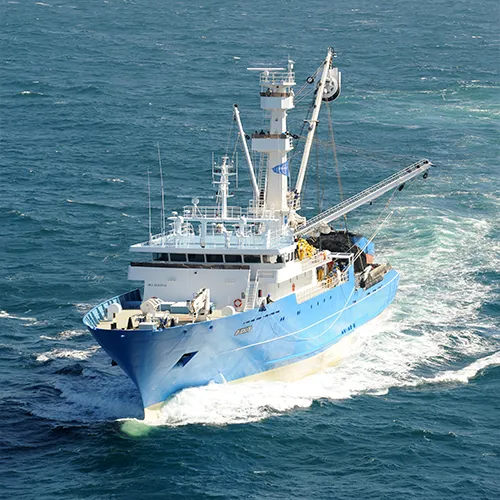
SAPMER vessels operate in the heart of the Indian Ocean, far from coastal pollution. As soon as fish are caught, they are immediately deep-frozen at sea to maintain peak freshness and quality.
Step 1
Fresh caught tuna is placed in a refrigerated brine bath to begin the cooling process.
Step 2
The fish is then ultra-low temperature frozen, reaching 40°C.
Step 3
Once landed, the frozen fish is transferred into specialized ultra-cold storage containers.
Processing
Some fish are selected and sent to processing facilities
Preserving the natural quality of wild fish
SAPMER products come from the Indian Ocean and the Southern Seas, a pristine and preserved fishing areas. No artificial coloring, no preservatives or additives are used, only the natural taste and premium texture remain, guaranteeing an authentic taste.
Our fishing zones
Southern fisheries
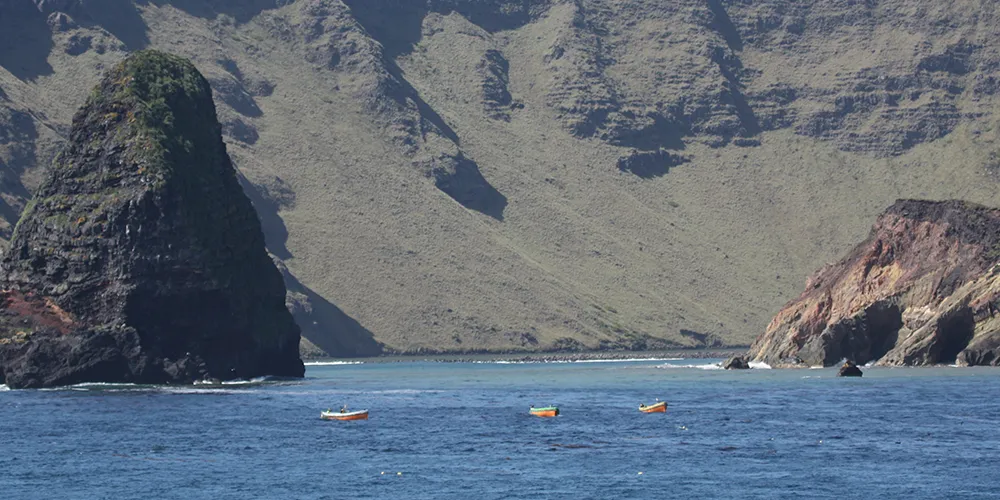
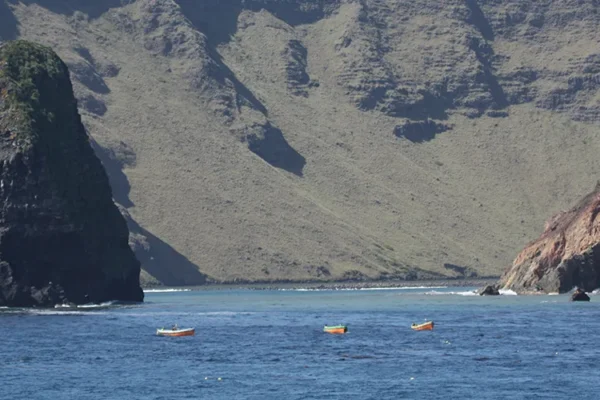
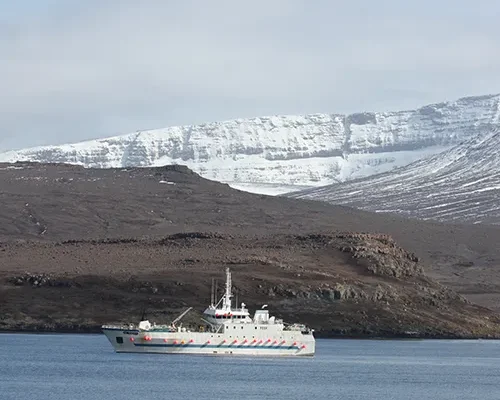
Patagonian toothfish is sourced from the cold waters of Kerguelen and Crozet, while SAPMER lobster lives in the equally icy waters of Amsterdam and Saint-Paul. These remote, uninhabited regions provide an incredible opportunity to catch pure, wild fish
Indian Ocean fishing
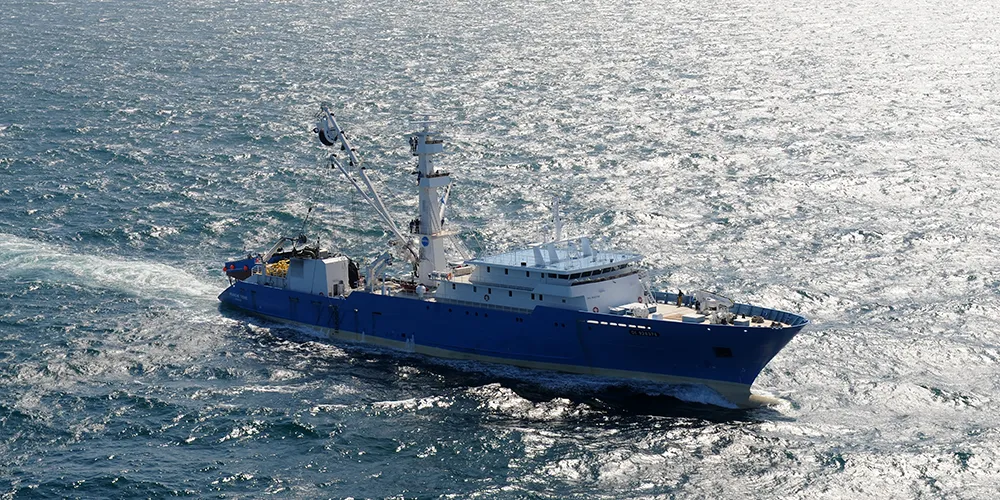
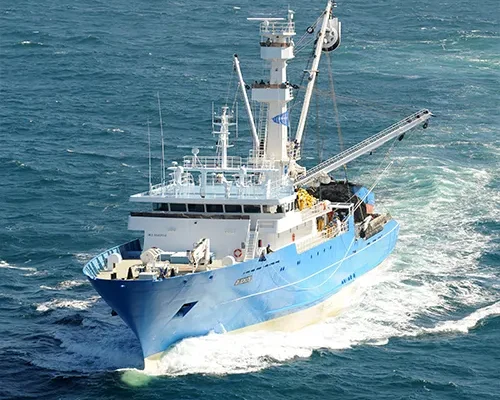
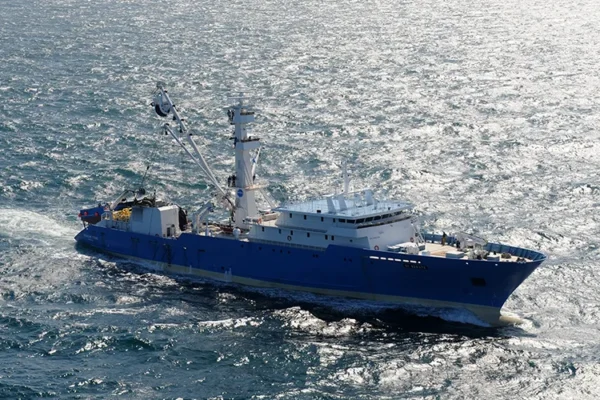
Tuna fishing grounds in the Indian Ocean are located several days’ sail from the coast, ensuring access to a pristine, natural environment that produces top-quality tuna.
Preserving product properties
The low-temperature and ultra-low temperature freezing methods applied immediately after catch ensure a result that is “fresher than fresh”, retaining 100% of the product’s original properties.
Balanced and Gourmet Cuisine
The exceptional nutritional qualities of these exceptional products are optimally preserved, contributing to a balanced diet rich in high-quality protein, an excellent source of omega 3, packed with trace minerals and vitamins.


SAPMER fish are easy to cook and stays fresh thanks to the deep-freezing process. Free from added water, preservatives, or artificial coloring. This ensures an unparalleled dining experience, with uncompromised flavor and freshness straight from the ocean to your plate.